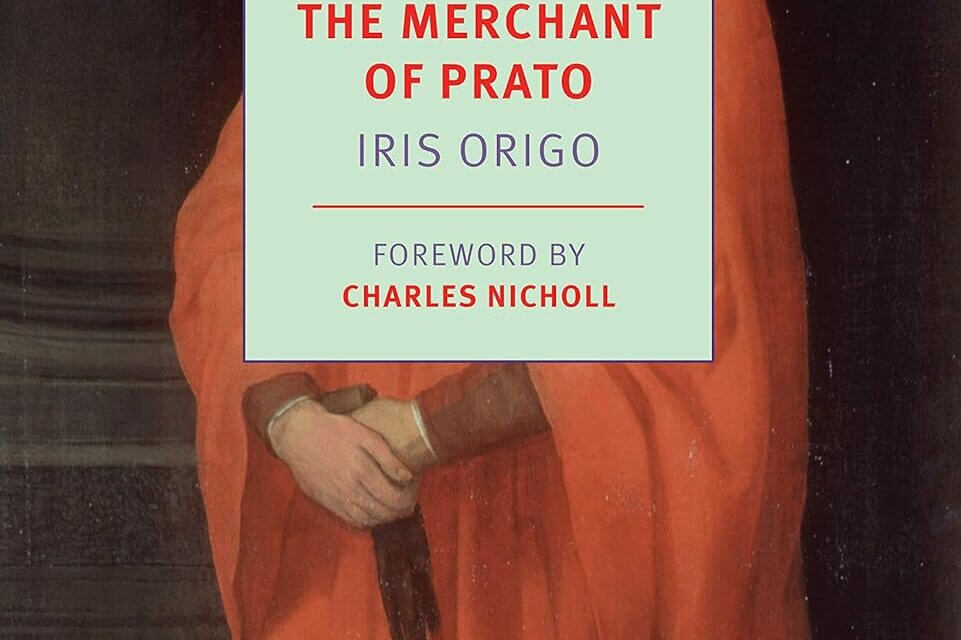
This is my second reading of The Merchant of Prato, a book I first read in the 1980s, shortly after returning to the US after living for years in Italy and suffering from nostalgia for Tuscany. The small town of Prato is only fifteen miles from Florence and has close ties with the larger city. Francesco di Marco Datini is a Prato merchant who moves to France then back to Prato and maintains offices there and in Florence, Valencia, Barcelona, Pisa, Majorca, and Genoa.
An enormous archive of Datini’s documents were found walled off in a secret room in 1870. Origo draws on these documents and copious other research to create a picture of this merchant. He remained a relatively small-time merchant, but the breadth of his investments is staggering, ranging from cloth (for which Prato is famous) to spices and even slaves. Letters between him and his friends and his various offices show him to be both avaricious and conflicted about his relationship with God; his clothing sumptuous, but the furnishings of his dwellings spartan.
I wish I had reread earlier this year in conjunction with Inventing the Renaissance by Ada Palmer which focuses on Florence with detours into England, Switzerland, France, Hungary, and the Ottoman Empire. While The Merchant of Prato deals with a single man, Palmer looks at the lives of fifteen different Renaissance women and men and their roles in the making of the era. Between the two books, the reader can get a good idea of what Tuscany was like just before and during the Renaissance.
********************
The Merchant of Prato (NYRB Books, July 14, 2020) is available through:
Your local independent bookseller | Amazon | Barnes & Noble
********************
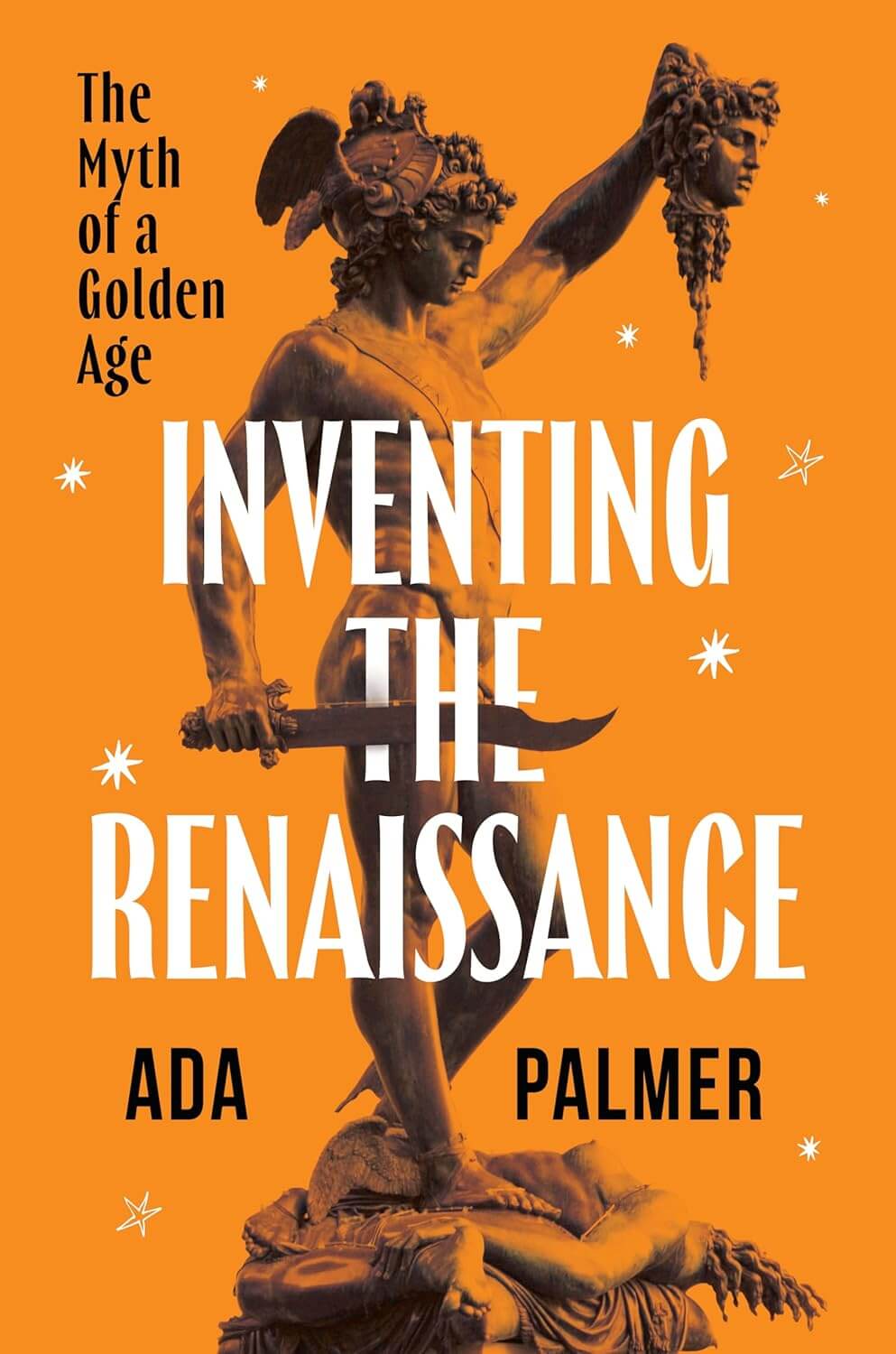 You can read my review of Inventing the Renaissance by Ada Palmer here.
********************
This post contains affiliate links to third party sites. These can help you visually identify books I recommend. If you make a purchase, I may receive a small compensation at no additional cost to you. This offsets some of the cost of maintaining this blog.