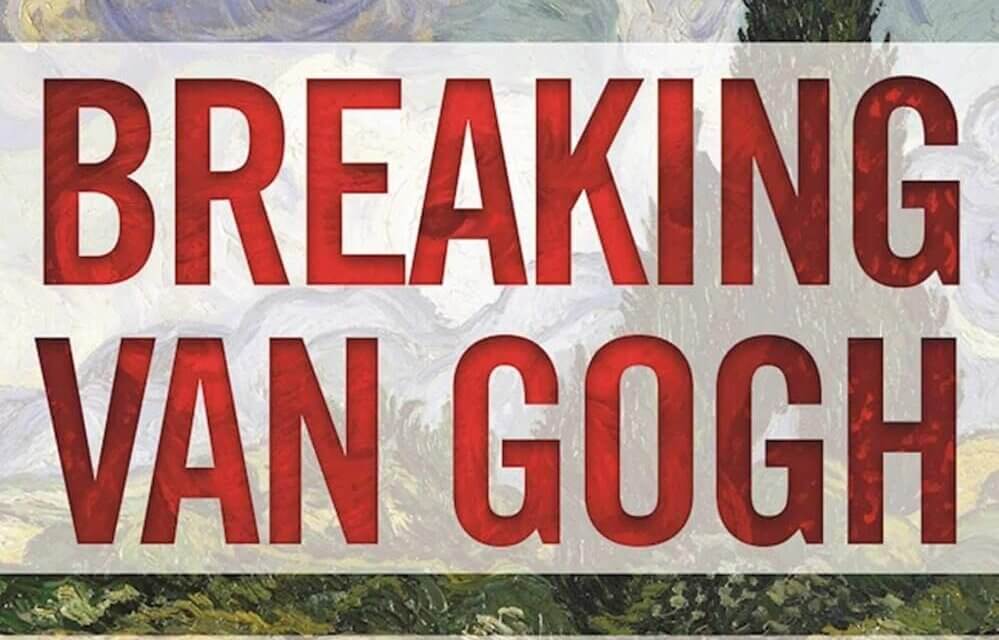
Vincent van Gogh’s iconic painting, Wheat Field with Cypresses, is “the most expensive purchase” made by the Metropolitan Museum of Art in New York. In Breaking van Gogh, James Grundvig investigates the painting and its provenance. From southern France, this painting moves to a Parisian art forger, the art collection of a prominent Jewish family, to a Nazi arms dealer before the Met finally purchases it.
Grundvig relies on a vast amount of research into the life of Van Gogh, his correspondence, his style of painting, the colorist who made Van Gogh’s tube paints, and Van Gogh’s friends and enemies. In his opinion, the painting is a fake.
Few people realize how subjective the attribution of paintings to various artists actually is, and only with the advent of modern times—with its microscopes, radiography, X-Ray fluorescence spectrometers, 3D optical profilers, and even AI taught to compare stylistic fingerprints of artists—has a real sense of accuracy emerged.
I am always interested in reading about art and art history. Breaking Van Gogh could have been a fascinating account, however, the book is poorly edited, often disjointed, and overly repetitious. Illustrations would have been helpful as well.
********************
Breaking van Gogh: Saint-Rémy, Forgery, and the $95 Million Fake at the Met (Skyhorse, October 4, 2016) is available through:
Your local independent bookseller | Amazon | Barnes & Noble
********************
This post contains affiliate links to third party sites. These can help you visually identify books I recommend. If you make a purchase, I may receive a small compensation at no additional cost to you. This offsets some of the cost of maintaining this blog.