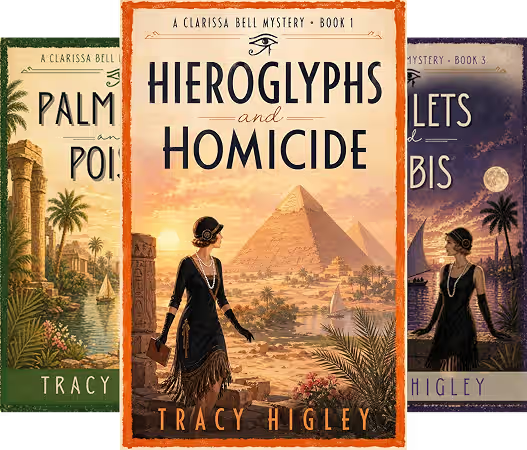
I was drawn to the Clarissa Bell mystery series because of the blurb’s comparison to the Amelia Peabody mystery series also set in Egypt. The Clarissa Bell series is set somewhat later (the 1920s) and carries the post-World War II paranoia about spies and various countries getting the technological jump on others. I ended up reading the three books available in the series so far (Hieroglyphs and Homicide, Palm Trees and Poison, Amulets and Alibis) as well as the prequel novella (“Murder in the Museum”) available if you sign up for author Higley’s newsletter.
Clarissa is the daughter of a wealthy American family. Her father allows her to study Egyptology in Britain, hoping that she’ll give up her interest in such unwomanly ideas and settle down and marry well. Instead, she becomes an archeologist. Though she is limited by the men on her dig to categorizing pottery sherds, she nonetheless has many adventures and becomes involved in multiple mysteries that tie into an all-consuming nefarious plot. Soon after her arrival at the dig, she encounters Benedict Quinn, a man whose dubious morals and links to the illegal antiquities trade should make him persona non grata; however, their relationship is marked with a powerful attraction, held in check by Clarissa’s inability to full trust him and his inability to be honest with her. Each adventure sees them growing closer.
Clarissa is a more modern heroine than Amelia Peabody, and newer series covers more contemporary issues such as cultural appropriation and repatriation of archeological artifacts. The author does a good job showing upper crust expatriate life in Egypt and their sense of utter superiority to Egyptians. There is enough technical jargon (such as pottery glazes and how to date them) to make this read true. One of the most enjoyable aspects to this series is Clarissa’s compulsion to catalog everything, even her own emotions. For example, “Specimen: Career Opportunity (Dubious), featuring collaboration with irritatingly handsome antiquities dealer. Notable elements include complete destruction of professional dignity…”
I enjoyed the first two novels, but found a plot hole in the third (Amulets and Alibis) that should have been caught by either the author or her editor. In Chapter 16, while on a Nile cruise, Clarissa begs a set of master keys from Freddie, her maid’s boyfriend; however, he doesn’t actually board the boat until Chapter 17. The “Murder in the Museum” prequel sets up Clarissa’s love for Egypt, but lacks the sparkle of her cataloging compulsion. Surely that characteristic was present at seventeen as well as a few years later. There is, however, a nice character arc for both Clarissa and Benedict as she realizes that not everything can be categorized and that ambiguity is part of human nature. A fourth in the series is planned.
********************
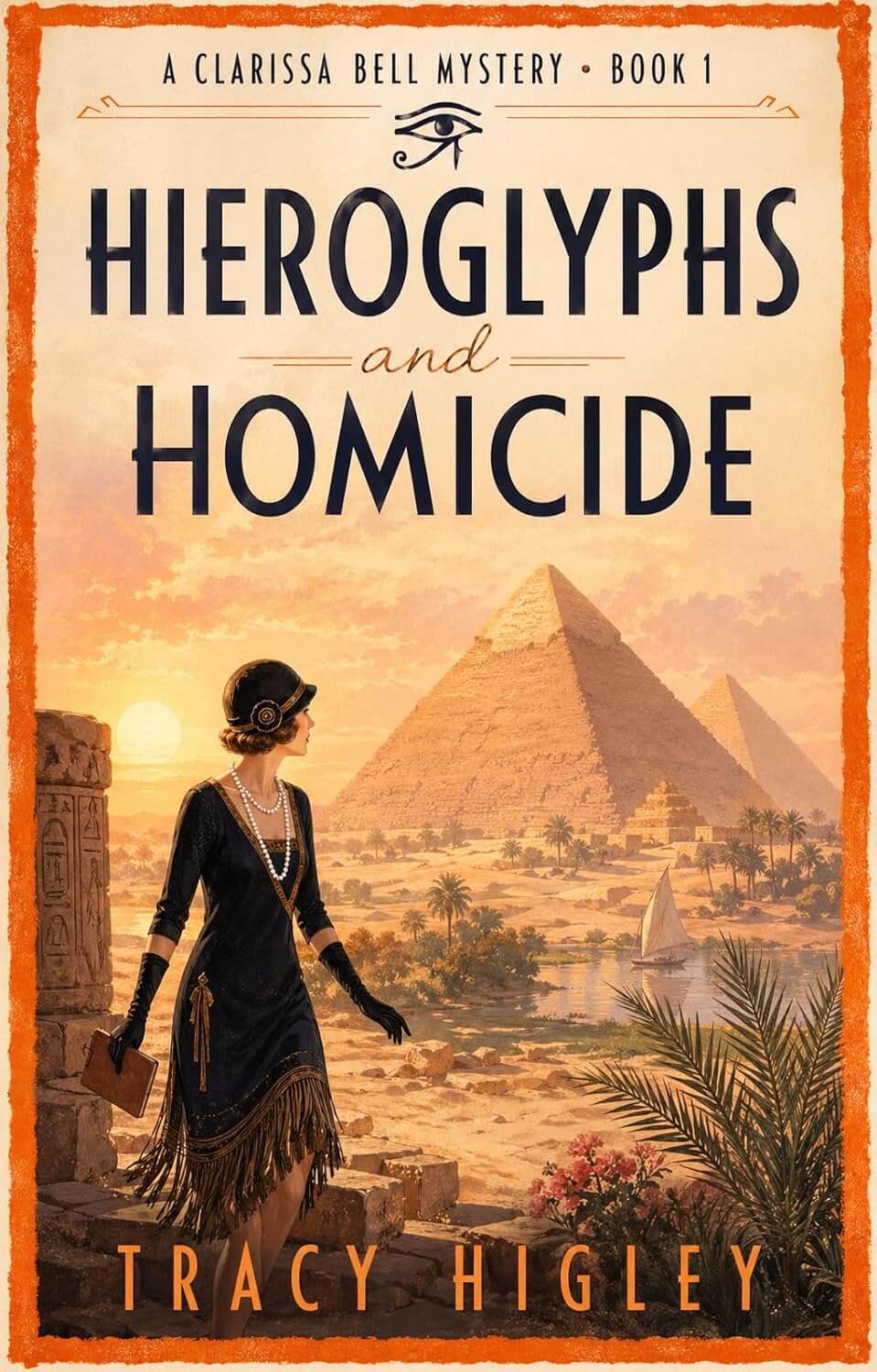
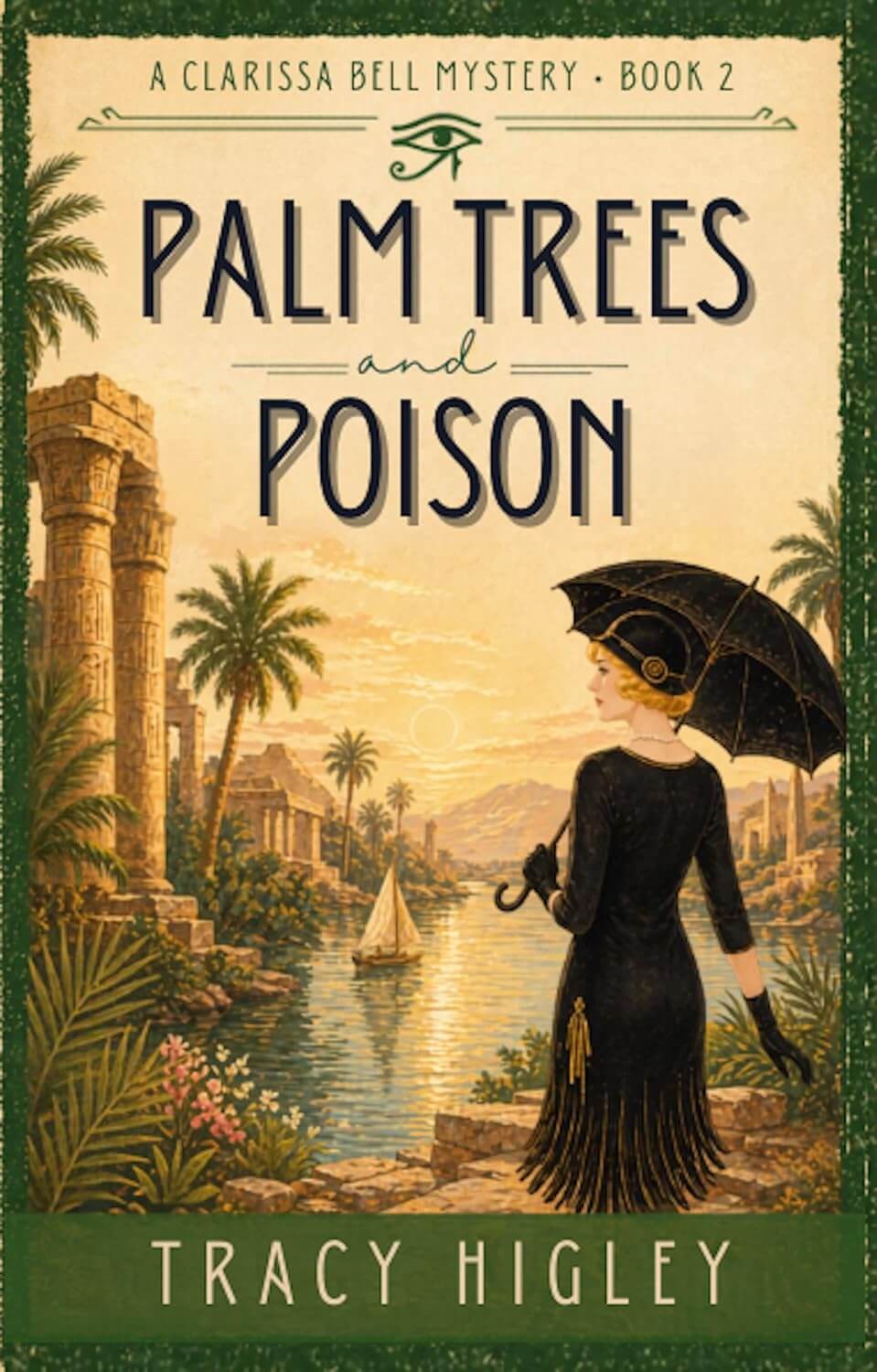
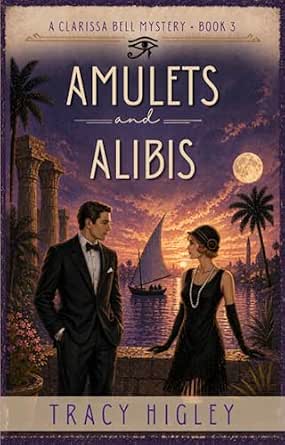 The Clarissa Bell Mystery Series is available through:
Your local independent bookseller | Amazon | Barnes & Noble
********************
This post contains affiliate links to third party sites. These can help you visually identify books I recommend. If you make a purchase, I may receive a small compensation at no additional cost to you. This offsets some of the cost of maintaining this blog.