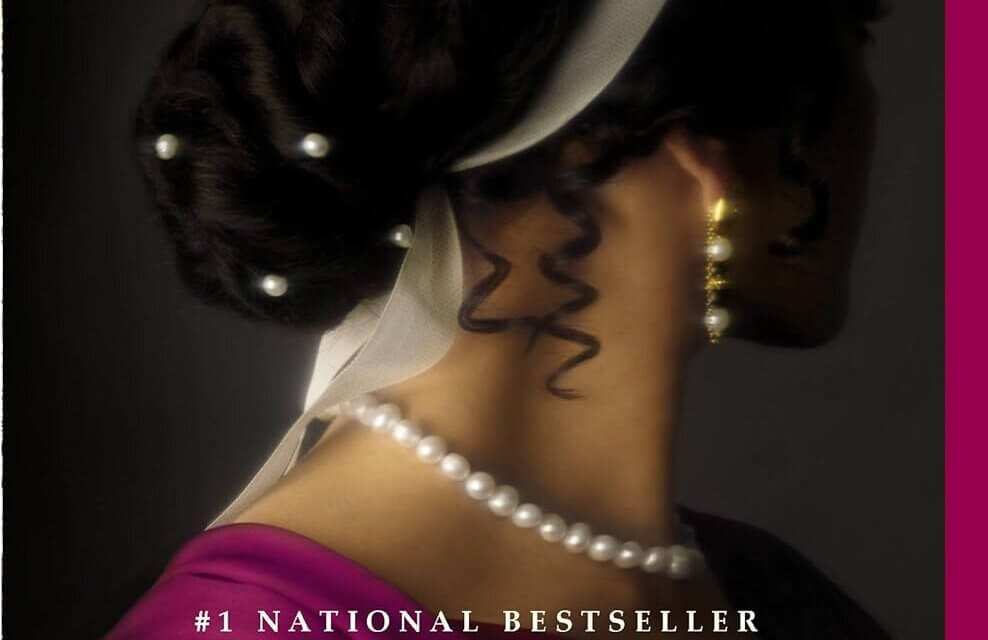
Cleopatra does a remarkable job piecing together the story of a woman from the first century BCE about whom very little is actually known. Schiff pulls together many early sources, extrapolates as many facts as she possibly can, then pieces them into a coherent vision of a magnificent queen. Many of Schiff’s thoughts are based on what we know of Egyptian culture, particularly that of the city of Alexandria with its great library.
From there, Schiff rescues the queen’s reputation from the vituperative men—usually Romans—who write about her often centuries later. All either erase her accomplishments and/or sully her reputation by attributing her deeds to an exorbitant ambition and hypersexuality which she notoriously uses to ensnare Julius Caesar and Mark Anthony.
Because of the intertwining of these three lives, Schiff spends a lot of time on the lives of the two men and their intersection with Cleopatra. Schiff also delves into the political scene in Rome and the Middle East at that time, giving a rich tapestry of the times.
Cleopatra is unabashedly a feminist book and, as such, is highly relevant to today’s woman. Much of our current culture defines the value of women by their youth, their preferably nubile bodies, and their ability to have children. They are denied sexuality and are inherently defined as sinful. Women like Cleopatra (well-educated, influential, and competent) are feared and demeaned. We need more authors willing to blast the past to smithereens.
********************
Cleopatra: A Life (Little, Brown and Company, November 11, 2010) is available through:
Your local independent bookseller | Amazon | Barnes & Noble
********************
This post contains affiliate links to third party sites. These can help you visually identify books I recommend. If you make a purchase, I may receive a small compensation at no additional cost to you. This offsets some of the cost of maintaining this blog.